Financial Terrorism: How Terror Networks Move Money in 2026

Educational only — not legal or financial advice.
Terrorism runs on money. Every plot needs cash for weapons, travel, safe houses, propaganda and the salaries that keep a network alive — and every dollar that moves leaves a trail. "Financial terrorism," more precisely called terrorist financing, is the business of raising, storing and moving that money without being caught. In 2026 that business looks very different from the suitcase-of-cash era: it now runs through mobile wallets, stablecoins, social-media fundraising and the same informal money networks that have existed for centuries.
This guide explains how terrorist financing actually works, what regulators found in 2026, and why cutting off the money supply has become one of the most important fronts in counterterrorism.
What is terrorist financing?
Terrorist financing is the provision or collection of funds — from legitimate or illegitimate sources — with the intention that they be used to carry out acts of terror. It is closely related to money laundering but runs in the opposite direction. Money laundering takes "dirty" money and makes it look clean. Terrorist financing often takes "clean" money — donations, charity funds, small-business revenue — and channels it toward violence. Because the amounts are frequently small and the sources can look ordinary, it is notoriously hard to detect.
The Financial Action Task Force (FATF), the global standard-setter for anti-money-laundering and counter-terrorist-financing (AML/CFT) rules, treats the two threats together for exactly this reason: the plumbing that hides criminal profits is the same plumbing that hides a terror cell's operating budget.
How terror networks raise and move money in 2026
1. Cryptocurrency and stablecoins
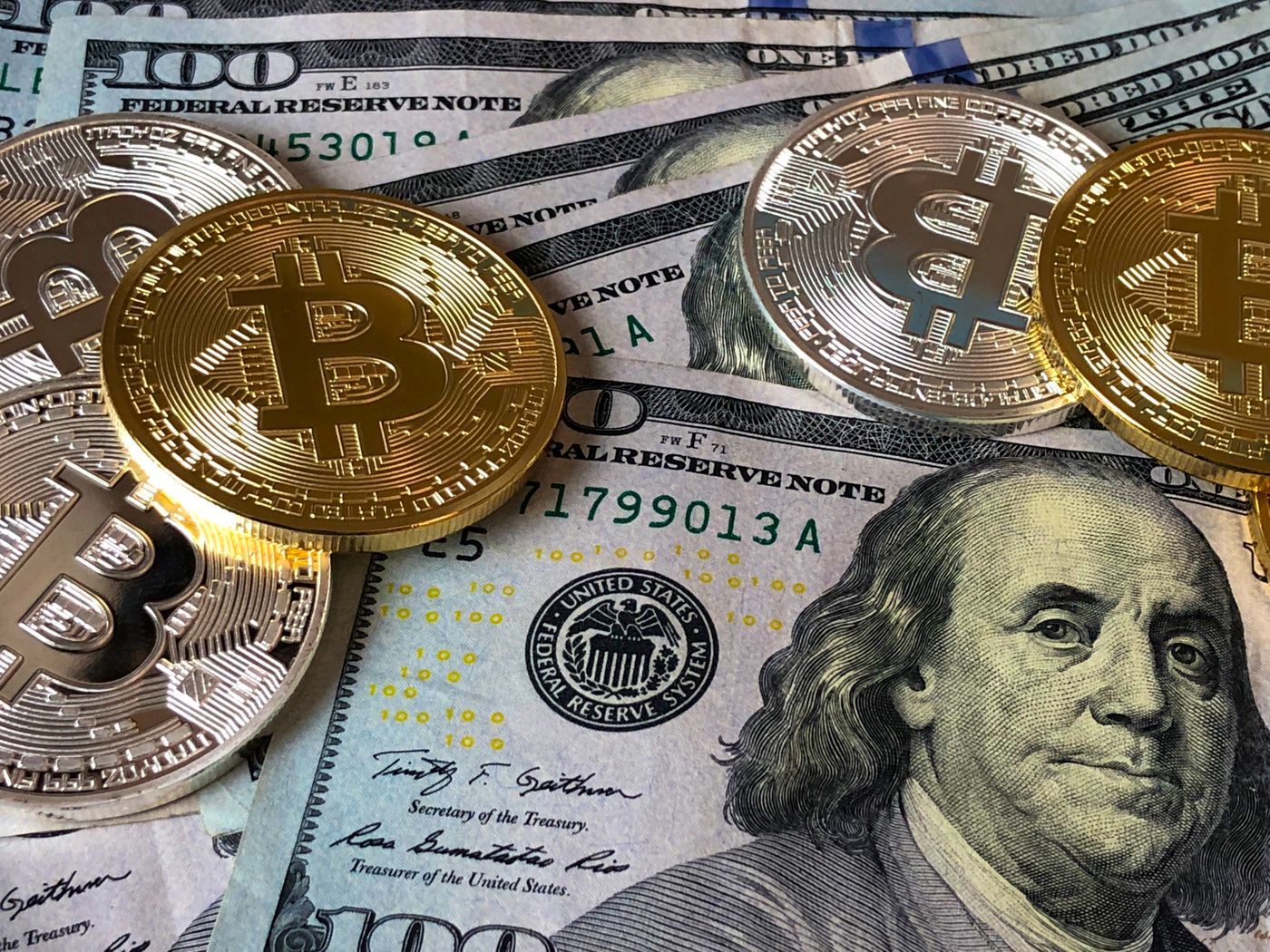
Digital assets have become a headline concern. In June 2026 the U.S. Treasury's Office of Foreign Assets Control (OFAC) designated a network of individuals and entities that used money-service businesses and cryptocurrency to route ISIS funds across Europe, the Middle East and West Africa. Weeks later, Treasury sanctioned 134 crypto wallet addresses tied to an ISIS-K donation network worth roughly $1.4 million, and the stablecoin issuer Tether froze 131 of the linked accounts almost immediately.
That last detail matters. Contrary to the myth that crypto is untraceable, public blockchains are permanent ledgers — investigators and analytics firms can often follow the money better than they can through cash. Terrorist financing still represents a small slice of overall crypto activity, but the ability to freeze stablecoins on-chain has become a genuine disruption tool.
2. Hawala and informal value transfer
Long before blockchains, there was hawala — a centuries-old, trust-based system that moves value across borders without moving money through banks. A customer hands cash to a broker in one city; a partner broker pays out the equivalent in another, settling accounts later. It is fast, cheap and largely invisible to formal reporting. The 2026 Treasury sanctions named hawala operations and currency-exchange bureaus in Syria and Nigeria acting as fronts for ISIS-linked transfers, underscoring how informal networks remain a backbone of terror finance.

3. Social media, messaging apps and charities
FATF's 2026 work highlighted how fundraising increasingly happens on social-media platforms, encrypted messaging apps and streaming services, where a plea for "humanitarian aid" can quietly funnel money to violent groups. Abuse of legitimate charities and non-profits — soliciting real donations, then diverting a portion — remains one of the oldest and most persistent methods precisely because it hides in plain sight.
4. Self-funding and low-cost attacks
Treasury's 2026 National Terrorist Financing Risk Assessment noted that sustained counterterrorism pressure has pushed groups like ISIS toward more decentralized cells that rely on regional facilitators and self-funding. Many modern attacks are cheap. A vehicle, a knife or a firearm can be financed from a paycheck, a small loan or petty crime — no international wire required — which is what makes small-dollar monitoring so difficult.
Key takeaways
- Terrorist financing is the mirror image of money laundering — often clean money moving toward violence, in small, hard-to-spot amounts.
- Crypto is a real vector but also a vulnerability for terror networks: on-chain funds can be traced and frozen, as 2026 OFAC actions and Tether freezes showed.
- Old methods endure — hawala, charity abuse and cash remain central because they leave little formal record.
- The rules are shifting. In 2026 U.S. regulators moved toward a risk-based, outcomes-focused AML/CFT framework rather than box-ticking compliance.
How authorities fight back
The core strategy is "follow the money." Banks and money-service businesses are required under the Bank Secrecy Act to file suspicious activity reports and to know who their customers are. FinCEN, the U.S. financial-intelligence unit, analyzes those reports; OFAC imposes sanctions that make it illegal to transact with designated people, wallets or entities; and the Justice Department prosecutes facilitators.
In 2026 the regime itself is being modernized. FinCEN proposed a fundamental reform of AML/CFT program requirements, shifting the focus from process-driven compliance toward "demonstrable outcomes and effectiveness." FATF, meanwhile, updated its standards so that targeted financial sanctions carry humanitarian exemptions under UN Security Council Resolutions 2664 and 2761 — an attempt to choke terror funding without blocking genuine aid.

Why it matters to ordinary people
You don't have to work in a bank to intersect with this world. Fraudulent "charity" appeals after disasters, crypto "investment" pitches that route money to opaque wallets, and social-engineering scams can all end up funding criminal or extremist networks. The same digital-security habits that protect your own finances — verifying who you send money to, guarding your accounts, and being skeptical of urgent online appeals — also keep you from becoming an unwitting link in the chain. If you use digital assets, our guide to investing in crypto in 2026 and our rundown of common cybersecurity mistakes are good places to start, and securing your email closes one of the most exploited doors.
Frequently asked questions
Is "financial terrorism" the same as terrorist financing?
In everyday usage they overlap. Officials and the law refer to terrorist financing — raising and moving funds to support terrorism. "Financial terrorism" is a looser popular term that can also describe attempts to destabilize an economy, but the money-movement problem is the core issue regulators focus on.
Is cryptocurrency the main way terrorists move money?
No. Cash, hawala and charity abuse still dominate globally. Crypto is a growing and high-profile channel, but it represents a small fraction of terror finance — and its traceable, freezable nature has repeatedly worked against the people using it.
How is terrorist financing different from money laundering?
Money laundering disguises the illegal origin of funds. Terrorist financing disguises the intended destination and use. The source can be perfectly legal, which is why small, clean-looking transactions are so hard to flag.
What is hawala, and is it illegal?
Hawala is an informal, trust-based value-transfer system used legitimately by millions of people worldwide, especially for remittances. It is not inherently illegal, but unlicensed operators and anyone who knowingly moves terror or criminal funds are prosecuted.
What can I do if I suspect a scam or charity is funneling money to bad actors?
Vet charities through watchdog sites before donating, avoid pressure-driven or crypto-only appeals, and report suspicious activity to the FBI's IC3 or the FTC. Protecting your own accounts also reduces the chance your money is redirected without your knowledge.