The Psychology of Gambling: Why People Lose Money in Markets (and How to Stop)

Not financial advice — educational only.
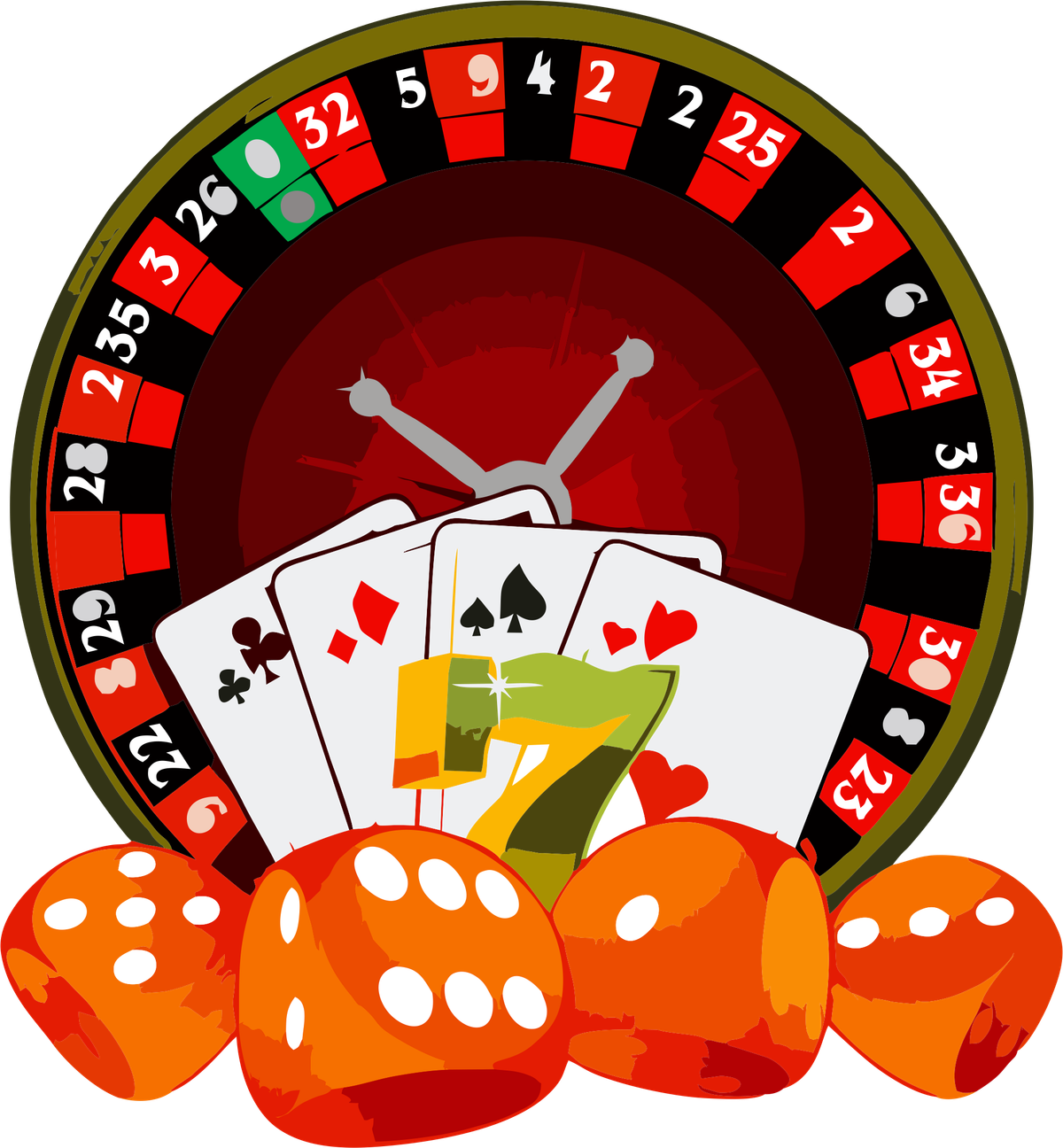
Most people who lose money in the markets do not lose it because they are stupid, lazy, or unlucky. They lose it because the human brain was never designed to price risk, sit still, or ignore a flashing green number. The same wiring that keeps a gambler feeding a slot machine long after the fun is gone is the wiring that makes an investor sell in a panic, buy at the top, and refuse to admit a mistake.
That is the uncomfortable idea at the heart of behavioral finance: a trading app, a crypto exchange, and a sportsbook are all pointed at the same reward circuit. Understanding gambling psychology is not really about casinos — it is a diagnostic manual for why your portfolio might be quietly bleeding, and for the practical guardrails that stop it.
The reward system: why "almost" feels like winning
Every decision under uncertainty runs through the brain's dopamine system. Dopamine is often called the "pleasure chemical," but that is misleading. It is really the chemistry of anticipation — it spikes not when you win, but when you might.
Gambling exploits this with a design principle borrowed from psychologist B.F. Skinner: the variable-ratio reward schedule. Rewards delivered at random, unpredictable intervals produce the most persistent, hardest-to-extinguish behavior of any reinforcement pattern known — which is exactly why slot machines and, increasingly, trading apps feel so hard to put down.
The most revealing finding is the near-miss effect. When a gambler comes agonizingly close to a jackpot, brain imaging shows the ventral striatum and dopaminergic midbrain light up almost as if they had actually won, and the effect is strongest in the most severe gamblers (Journal of Neuroscience). A loss that looks like a near-win recruits win-related circuitry and motivates more play (PMC / Clark et al.). Your brain cannot always tell the difference between winning and nearly winning — and markets are full of near-misses.
The five biases that quietly drain accounts
1. The gambler's fallacy
The gambler's fallacy is the belief that independent events "even out" in the short run — that a coin showing heads five times is now "due" for tails. The odds never changed; each flip is still 50/50. In investing, this shows up as "the stock has dropped four days straight, it has to bounce," or "the market is overdue for a crash." Price history is not a memory bank that owes you a reversal. Averaging down into a falling asset purely because it "can't keep dropping" is the gambler's fallacy wearing a suit.
2. The illusion of control
The illusion of control is the tendency to believe our skill influences outcomes that are mostly random. Casinos encourage it — you throw the dice, you pick the numbers — because it keeps people playing. Retail investors do the same when they mistake a bull market for personal genius. When everything is rising, almost every pick "works," and the trader credits their system rather than the tide. Elaborate chart-drawing, custom indicators, and constant screen-watching all feed the feeling of control while doing little to change the odds.
3. The near-miss, in market form
The near-miss migrates directly into trading. The option that expired one strike out of the money. The coin you sold the week before it doubled. The trade that would have been perfect if you'd held one more day. Each near-win stings — and, per the neuroscience above, each one pushes you to trade again to "get it right this time." That is the machine working exactly as designed.
4. Overconfidence
This is the most expensive bias of all, and it is precisely measured. In their landmark study Trading Is Hazardous to Your Wealth, Brad Barber and Terrance Odean tracked 66,465 households at a discount broker and found the most active traders earned about 11.4% a year while the market returned 17.9% (Barber & Odean, Journal of Finance). The cause was overconfidence: believing you know more than the price does, trading more, and paying for it in costs and bad timing. The more people trade, the worse they tend to do.
5. Loss aversion and chasing losses
Kahneman and Tversky's prospect theory showed that losses hurt roughly twice as much as equivalent gains feel good (Prospect theory). This asymmetry produces the disposition effect: investors sell winners too early to lock in a good feeling, and hold losers far too long to avoid crystallizing the pain. It also produces the gambler's death spiral — chasing losses — where each loss triggers a bigger, riskier bet to "get back to even." That is loss aversion flipping you from cautious to reckless at the worst possible moment.
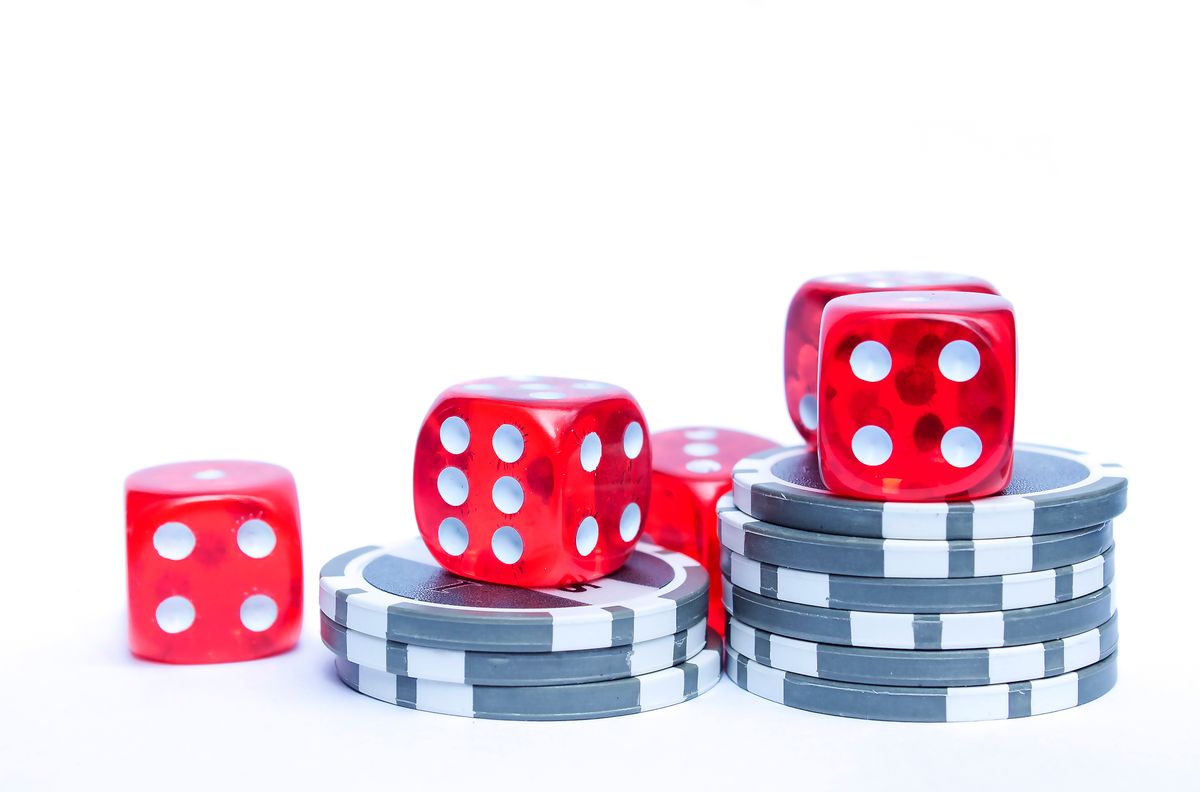
Where the casino meets your phone
These biases are no longer abstract, because the modern financial app is engineered around them. Commission-free trading apps borrowed slot-machine design: confetti animations, "free stock" scratch-card rewards, push notifications, and one-tap trades. In 2020 Massachusetts regulators formally accused Robinhood of using "gamification strategies" to manipulate inexperienced investors (Edison Group). Research has found that hedonic gamification measurably increases trading volume — and, remember, more trading tends to mean worse returns.
The results are visible across every speculative arena:
- Day trading. India's securities regulator (SEBI) found that over 70% of intraday equity traders lost money in FY2024–25, rising to roughly 91% for futures-and-options traders (SEBI). Broad studies put long-term day-trading success in the low single digits. It is not a skill most people are failing to learn; it is a structure most people cannot beat.
- Crypto. A Bank for International Settlements study of 200+ exchange apps across 95 countries estimated that roughly three-quarters of retail users lost money on Bitcoin, partly because larger investors sold right as smaller ones were still buying the hype (BIS Bulletin No. 69). If you are entering an asset late because it is all over your feed, you may be the exit liquidity.
- Sports betting. After US states legalized online betting, research links it to an ~8% rise in debt sent to collections and a ~10% rise in bankruptcy risk, with reduced net investment concentrated among financially constrained households (NBER working paper). A 2025 survey found roughly 1 in 4 sports bettors had missed a bill payment because of wagers (U.S. News).
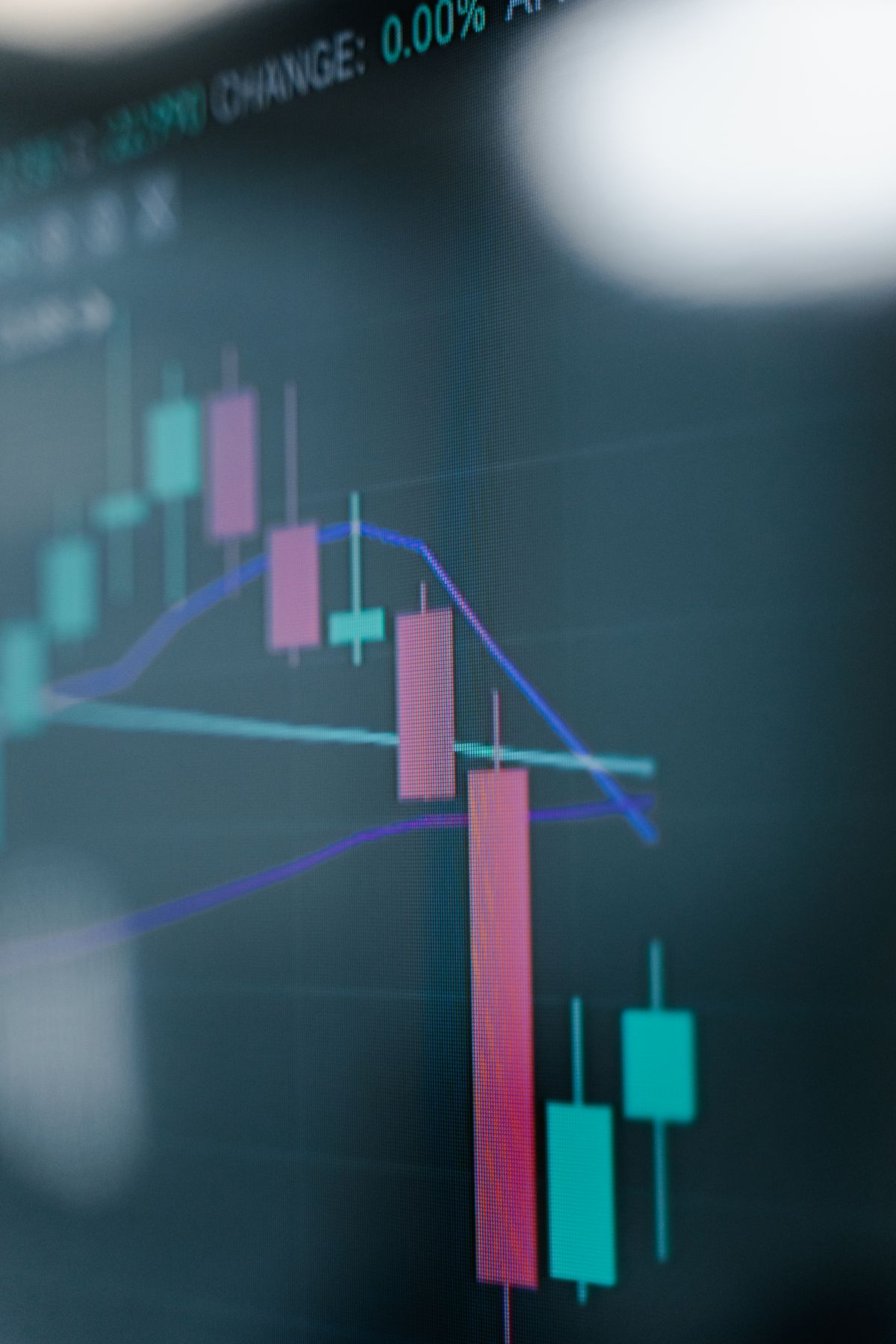
Different apps, same brain. Whether the screen shows a slot reel, a candlestick, or a parlay, the dopamine loop is identical.
Key takeaways
- Trading apps, crypto exchanges, and sportsbooks target the same dopamine and variable-reward circuitry as slot machines.
- The gambler's fallacy, illusion of control, near-miss effect, overconfidence, and loss aversion each have a direct, costly market equivalent.
- The most active traders reliably underperform the market; ~70–90% of day traders and ~75% of retail crypto buyers lose money.
- Losses hurt about twice as much as gains feel good, which drives selling winners early and chasing losses with bigger bets.
- You cannot delete the biases, but you can build systems — automation, rules, and friction — that make them harder to act on.
How to protect yourself and stop losing money
You will not out-discipline your own neurochemistry through willpower. The winners here mostly design their environment so the biases have nowhere to fire. Concrete tactics:
Separate investing from speculating
Decide, in advance, that the overwhelming majority of your money is invested (broad, low-cost, long-horizon) and that only a small, pre-defined amount — money you can lose entirely — is available for active bets. Fence the casino off from your future. A boring, automated core is what lets you tolerate a small speculative satellite without wrecking your life.
Automate to remove the decision
Every discretionary decision is a doorway for bias. Automatic contributions into diversified index funds convert investing from an emotional, real-time game into a background process. There is no near-miss to chase and no "due" reversal to time when the buying happens on a schedule you set once. A simple written plan and a budget you can actually keep — see our 6-step budget guide — is a genuine risk-management tool, not just admin.
Write the rules before the emotion arrives
Decide entry, exit, and maximum position size before you are in the trade, when you are calm. Pre-commit to a loss limit and honor it, because in the moment loss aversion will beg you to "give it room." If you are going to trade actively, do it with a defined, tested framework rather than gut feel — the discipline in a structured approach like this day-trading strategy matters far more than any single signal.
Add friction and reduce the feed
Turn off price notifications. Delete the app from your home screen. Check long-term holdings weekly or monthly, not hourly. Every glance is an invitation to act, and acting is what the data says costs you. Friction is your friend: the harder it is to place an impulsive trade, the fewer impulsive trades you make.
Keep a decision journal and respect the odds
Write down why you made each move and what you expected. Reviewing it later breaks the illusion of control and exposes overconfidence — you will see how often "skill" was really a rising market. And if a pursuit has a documented 70–90% loss rate, treat entering it as a decision that needs evidence you are in the small minority, not the default assumption that you are. If you do explore volatile assets, size positions as if you could lose all of it and read the mechanics first; our guide on how to invest in crypto in 2026 is a more sober place to start than a viral chart.
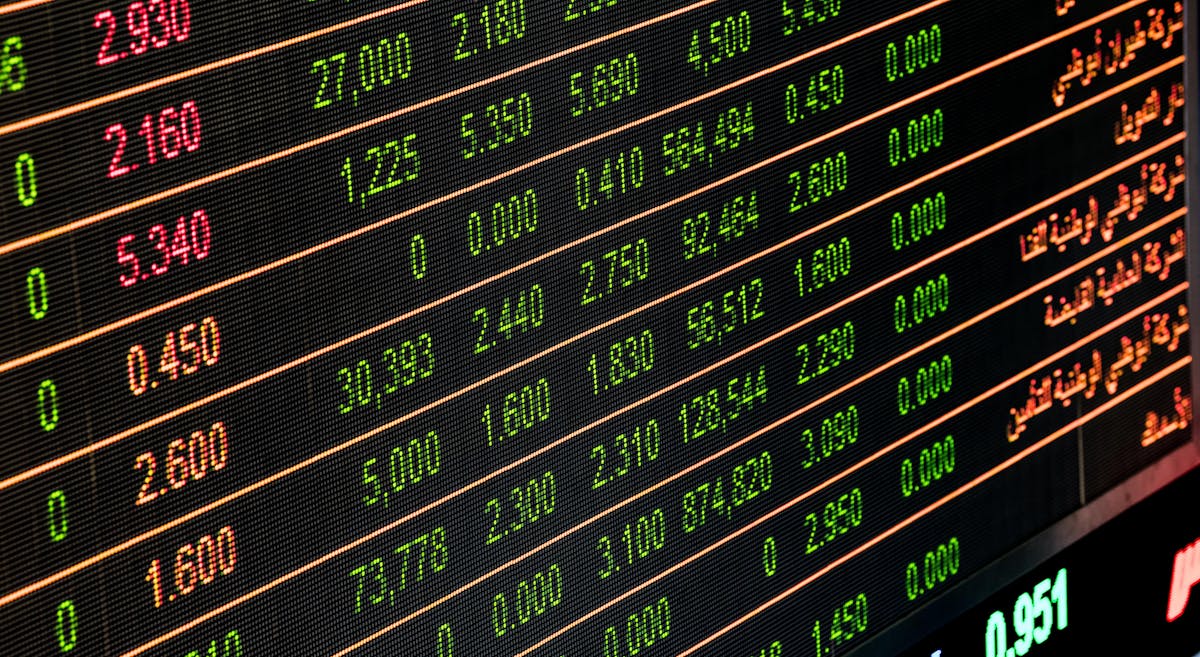
Frequently asked questions
Is investing just a form of gambling?
No — but they share the same psychological hardware. Long-term investing in diversified, productive assets has a positive expected return that compounds over decades. Gambling and most short-term speculation have a negative or near-zero expected return after costs. The danger is behavioral: when you trade investments frantically, chase hype, or bet on short-term price moves, you convert investing into gambling regardless of the label on the app.
Why do I keep selling my winners and holding my losers?
That is the disposition effect, driven by loss aversion. Selling a winner delivers a quick hit of certain pleasure, while selling a loser forces you to feel the pain of a realized mistake. The fix is rule-based: predefine when you will exit both winners and losers, and follow the rules mechanically rather than by how each position feels.
Are trading apps deliberately designed to be addictive?
Many use design patterns — celebratory animations, streaks, push alerts, one-tap trades, and lottery-style rewards — that mirror gambling mechanics, and regulators have challenged some of them for it. Whether or not the intent is "addiction," the effect is more frequent trading, and more frequent trading is strongly associated with worse returns. Assume the interface is optimized for engagement, not for your net worth.
What is the single most effective way to avoid losing money to these biases?
Automation. Removing yourself from the moment-to-moment decision — automatic contributions, a fixed diversified allocation, and rules written in advance — starves every bias of the discretionary decision it needs to hurt you. Structure beats willpower.
Does knowing about these biases make me immune to them?
Unfortunately, no. Awareness helps you build better systems, but the biases operate below conscious control and still fire in the moment. That is exactly why the defenses are environmental — automation, friction, written rules, and a journal — rather than a promise to "be more rational next time." A common guardrail for speculation is a small slice you have genuinely accepted you could lose entirely — often cited as up to 5–10% of investable assets — kept strictly separate from your emergency fund and retirement money. If losing it would change your life, it is too much.