
The Illusion of Lala Land: Is Freelancing Really the Freedom It Promises?

Not financial advice — educational only.
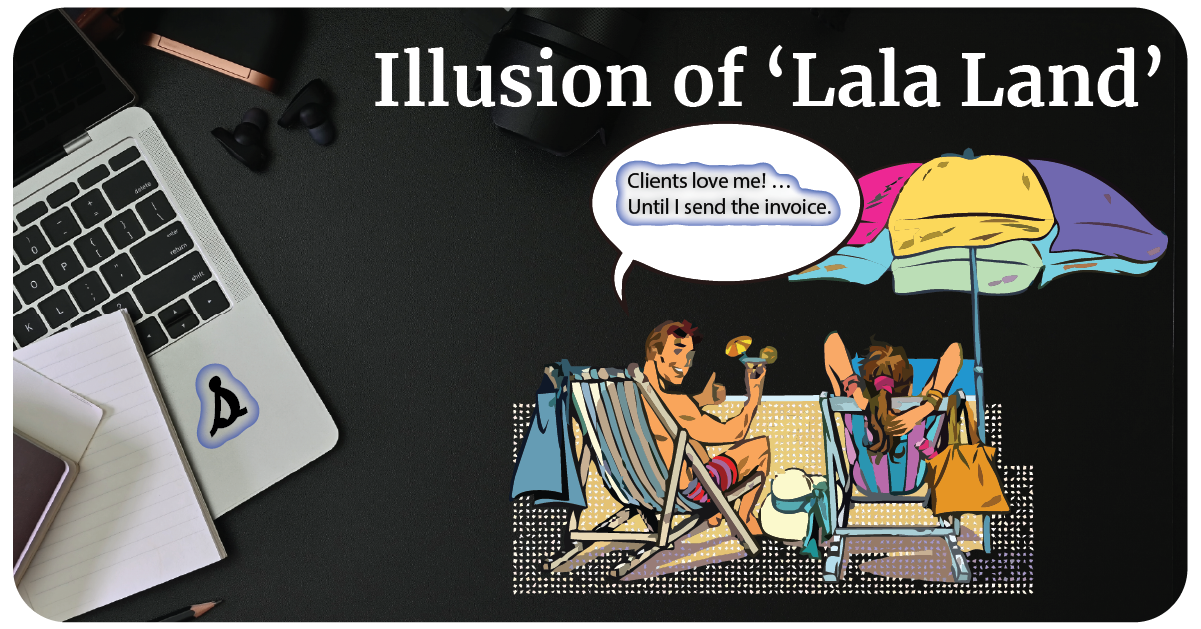
Scroll through any career feed in 2026 and you will meet the same character: the laptop entrepreneur on a beach, sipping coffee, "living the dream" while the rest of us clock in. Freelancing is sold as an escape hatch from the 9-to-5 — a world of endless flexibility, uncapped income, and a boss you actually like (you).
The pull is real, and so is the movement. According to MBO Partners' State of Independence, roughly 72.9 million Americans now work independently — close to 45% of the labor force — and Upwork's Freelance Forward data shows about 39% of U.S. workers freelanced in the past year. This is no longer a fringe lifestyle; it's a large and growing slice of how the country earns a living.
But there is a gap between the postcard and the paycheck. Freelancing can absolutely be a good life — it just isn't the frictionless "Lala Land" the highlight reel promises. Let's look honestly at both sides, then talk about how to actually make it sustainable.

The dream: why so many people chase freelancing
Flexibility you can't get in an office
The headline attraction is control over your own time. No commute, no asking permission for a dentist appointment, no pretending to look busy until 5 p.m. You decide when you work, where you work, and — increasingly — which clients you'll even talk to. For parents, caregivers, night owls, and people who simply think better outside a cubicle, that autonomy is genuinely life-changing.
Income with no ceiling
A salary is a fixed number. Freelance income, in theory, is a dial you control: raise your rates, add clients, productize your skills, and your earnings climb. And it does happen — MBO Partners counts roughly 5.6 million U.S. independents now earning six figures or more. The absence of a cap is intoxicating, especially to anyone who has watched a great year of work translate into a 3% raise.
Being your own boss
You choose the projects, set the standards, and keep the profit. There's real dignity in building something that is unmistakably yours, and for many people the psychological reward of ownership outweighs the security of employment.
The harsh realities behind the highlight reel
1. Income instability is the rule, not the exception
The single hardest part of freelancing isn't finding work — it's the volatility. Survey data compiled in the 2026 Freelance Benchmark Report found that income inconsistency is freelancers' top-cited challenge, and that a striking share have lived through a month with essentially zero income. "Uncapped" earnings cut both ways: the same dial that goes up can go to zero when a client disappears.
Late payment makes it worse. Jobbers' global payment-delay research reports that a majority of freelancers wait more than 30 days to be paid, with a meaningful chunk waiting past 60 — and the U.S. freelance economy loses billions each year to late and non-payment. You can finish the work, deliver on time, and still not eat on schedule.
2. The flexibility can quietly become a trap
"Work whenever you want" often curdles into "work whenever a client wants." Without a defined end to the day, freelancers routinely answer messages at midnight and work weekends to cover slow patches. The freedom to design your schedule is real — but so is the pressure that erases it, and many freelancers end up working more hours than they did as employees.

3. You are the entire company
As a freelancer you're not just the talent — you're also sales, marketing, accounting, IT, and legal. Chasing invoices, writing proposals, filing quarterly taxes, and updating your portfolio are unpaid hours that never show up on the invoice. Trading one boss for a roster of clients often means answering to more people, not fewer.
4. Competition — and now AI — is fierce
Global platforms opened the market to talent everywhere, which is great for clients and brutal for rates. On top of that, generative AI is reshaping demand. Research summarized by the Brookings Institution found that freelancers in AI-exposed fields like writing and coding saw measurable drops in contracts and earnings after tools like ChatGPT arrived, with sharp declines in job posts for easily automated tasks. The flip side, per the PwC 2026 Global AI Jobs Barometer and others, is that strategic, specialized, and AI-augmented work is commanding premium rates. Commodity skills are getting squeezed; judgment and expertise are getting rewarded.
5. No safety net
There's no employer matching your retirement contributions, no company health plan, no paid sick days, no disability coverage. Freelancer retirement data pegs the average saver at roughly 8% of gross income — about half the commonly recommended 15%. And 2026 made the gap sharper: with enhanced ACA subsidies expiring and premium tax credits phasing out at 400% of the federal poverty line, the Association of Health Care Journalists notes many self-employed workers now face materially higher health-insurance costs. Every benefit an employer once quietly funded is now a line item you pay yourself.
6. The mental-health bill comes due
Isolation, financial anxiety, and no "off" switch add up. A 2025 freelancer wellness survey cited in Plutio's work-life balance analysis found that a majority of freelancers report burnout symptoms, and a large share feel energy-depleted even when working fewer hours than traditional employees. The cruel part is the feedback loop: a burned-out employee still gets paid, but a burned-out freelancer who stops working stops earning — so the pressure to push through is constant.
Key takeaways
- Freelancing is real and growing — roughly 73 million U.S. independents — but the "total freedom" pitch oversells it.
- Income volatility and late payments are the defining financial risk: many freelancers wait 30+ days to get paid and have faced a zero-income month.
- You inherit every cost an employer used to cover: health insurance, retirement, taxes, and time off.
- AI is compressing demand for commodity skills while rewarding strategy, specialization, and AI-augmented work.
- Sustainability comes from systems — cash buffers, contracts, diversified clients, and firm boundaries — not from hustle alone.
How to make freelancing actually sustainable
Build a cash buffer before you leap
Because income is lumpy, an emergency fund isn't optional — it's the shock absorber that keeps a slow month from becoming a crisis. Aim for a larger cushion than an employee would: three to six months of expenses is a floor, not a ceiling. If you're still planning your exit, our guide on becoming financially independent is a useful foundation for the mindset.
Budget for irregular income
Pay yourself a steady "salary" from a business buffer account rather than spending whatever lands each week. Base your monthly budget on a conservative low-income month, and treat big months as a chance to refill the buffer and pre-fund taxes. A simple system helps here — see our 6-step budget guide that actually sticks and these free budget templates to get started fast.
Protect yourself with contracts and deposits
Every engagement should have a written contract that defines scope, deadlines, kill fees, and payment terms. Ask for a deposit upfront (25–50% is common), invoice promptly, and add late fees. This won't eliminate late payers, but it dramatically reduces how badly they can hurt you.
Diversify clients and income streams
If one client is more than roughly a third of your revenue, you don't have a business — you have a precarious job. Spread risk across multiple clients, and layer in more stable income where you can: retainers, productized services, or digital products. If location independence is part of your goal, our breakdown of digital nomad finances covers the money side of working from anywhere.

Fund your own benefits on purpose
Automate retirement contributions into a SEP-IRA or Solo 401(k), set aside 25–30% of income for taxes in a separate account, and price health insurance and time off into your rates. You are your own HR department; benefits only exist if you build them.
Stay ahead of AI instead of competing with it
Use AI to do more of the commodity work faster, and reposition yourself toward the judgment, strategy, and relationships that clients still pay a premium for. Continuous skill-building is the closest thing freelancing has to job security.
Set boundaries and defend your mental health
Define working hours and honor them. Take real time off (and budget for it in advance so it doesn't feel like lost income). Build community with other freelancers to fight isolation, and treat rest as part of the job, not a reward for finishing it.
So — illusion or opportunity?
Freelancing isn't Lala Land, but it isn't a scam either. The freedom is real; it's just conditional. It rewards people who treat it like running a small business — with buffers, systems, contracts, and boundaries — and it punishes people who expect the beach photo without the back-office grind. Go in with clear eyes and the right financial scaffolding, and the dream stops being an illusion and starts being a plan.
Frequently asked questions
Is freelancing more financially risky than a regular job?
In the short term, yes. Employees trade upside for stability; freelancers accept volatility in exchange for control and higher earning potential. Survey data shows income inconsistency and late payments are freelancers' biggest financial challenges, which is why a large cash buffer and diversified clients matter so much.
How big should a freelancer's emergency fund be?
Bigger than an employee's. Because income can drop to zero for a month and payments often arrive 30–60 days late, many advisors suggest three to six months of essential expenses as a minimum, with more cushion if your income is highly seasonal.
Will AI take freelance jobs in 2026?
It's already shifting the market. Research shows declines in demand for easily automated tasks like basic writing and image creation, while strategic, specialized, and AI-augmented work is growing and often pays more. The freelancers most at risk are those offering commodity services that AI can replicate.
How do freelancers handle health insurance and retirement without an employer?
They fund it themselves — typically a marketplace or association health plan for insurance, and a SEP-IRA or Solo 401(k) for retirement. The catch is that 2026 premium changes made coverage more expensive for some, so these costs need to be priced into your rates from day one.
How do I deal with clients who pay late?
Use written contracts with clear payment terms, require an upfront deposit, invoice immediately, and charge late fees. Keeping a cash buffer means a slow-paying client is an annoyance rather than an emergency, and it lets you walk away from chronic offenders.
Is freelancing worth it despite the downsides?
For many people, absolutely — if they go in prepared. The autonomy, uncapped income, and ownership are genuine. The difference between thriving and burning out usually comes down to financial systems and boundaries, not raw talent or luck.