
What Is Cryptocurrency? A Clear 2026 Beginner's Guide
Cryptocurrency works by using complex rules for creating and securing digital money. These rules affect how it moves, how safe it is, and how different types of digital money are classified. It helps to know what makes crypto different from other online money and why cryptography is key to keeping i


This article is for general education only and is not financial advice. Crypto assets are volatile and you can lose money.
Cryptocurrency is digital money that runs on a decentralized network instead of a bank. Ownership and transactions are recorded on a shared public ledger called a blockchain, and secured by cryptography rather than a central authority. In plain terms: it lets people send value directly to each other, anywhere in the world, without a middleman deciding whether the transaction is allowed. Here is how it works in 2026 and what actually matters if you are new to it.
Key takeaways
- Cryptocurrency is decentralized digital money recorded on a blockchain and secured by cryptography.
- No bank or government controls most cryptocurrencies — the network verifies transactions collectively.
- The total crypto market is worth roughly $3 trillion in 2026, led by Bitcoin and Ethereum.
- Stablecoins are now regulated in the U.S. under the GENIUS Act and top $250 billion in market cap.
- Spot Bitcoin and Ethereum ETFs let beginners get exposure without managing wallets or private keys.
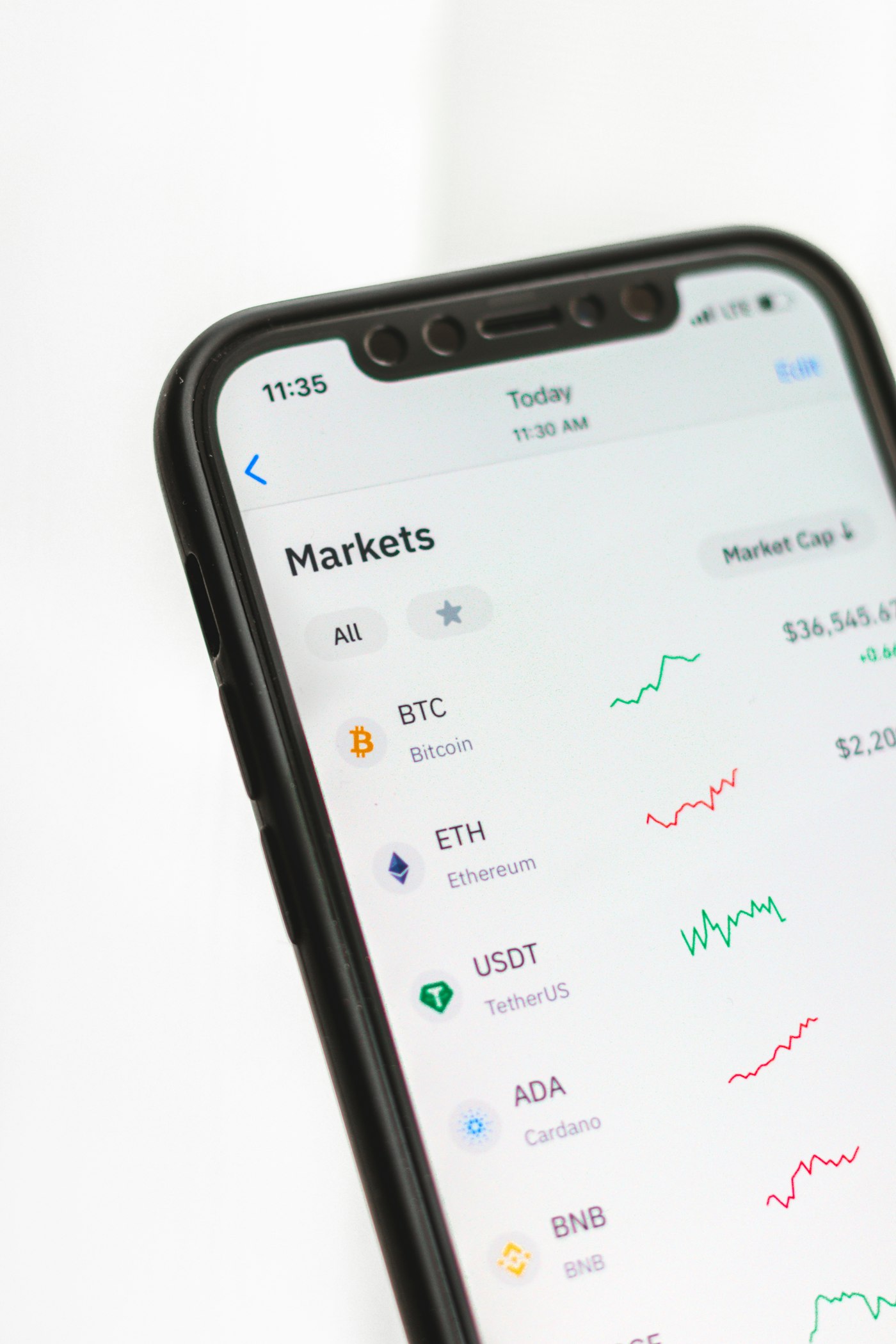
What Is Cryptocurrency, Really?
A cryptocurrency is a digital asset designed to work as a medium of exchange. Unlike the balance in your bank account — which the bank tracks in its private database — crypto balances live on a blockchain, a ledger copied across thousands of computers worldwide. When you send crypto, the network of computers checks and agrees on the transaction, then permanently records it. Because everyone holds a copy, there is no single point to hack or shut down, and no central party you have to trust.
This structure is what people mean by decentralization. To learn how the underlying technology could reshape finance, see our explainer on blockchain and the future of the world economy.
Digital currency vs. virtual currency
These terms overlap, so it helps to separate them:
- Digital currency is any money held electronically — including regular dollars in a banking app, which are issued and regulated by governments.
- Virtual currency is a subset that exists only online and is typically not issued by a government.
- Cryptocurrency is virtual currency secured by cryptography and usually decentralized, like Bitcoin.
The role of cryptography
Cryptography is the security backbone. Every transaction is signed with a private key — a secret code only the owner holds — producing a digital signature that proves ownership without revealing the key itself. This makes transactions extremely hard to forge or alter after the fact. It also means one hard rule: whoever controls the private keys controls the coins. Lose your keys and the funds are gone; leak them and someone can drain your wallet.

How Is Cryptocurrency Created?
New coins enter circulation through the mechanism that also secures the network. The two dominant approaches are:
- Proof of Work (mining): computers compete to solve intensive math puzzles to validate blocks of transactions, earning new coins as a reward. Bitcoin uses this model.
- Proof of Stake (staking): validators lock up (“stake”) existing coins for the right to confirm transactions and earn rewards, using a fraction of the energy. Ethereum switched to this model and now pays roughly 3% annual staking yield.
The Major Types of Crypto in 2026
There are millions of tokens, but most fall into a few practical categories:
- Bitcoin (BTC): the original cryptocurrency, widely treated as “digital gold” and a store of value with a fixed 21-million supply cap.
- Smart-contract platforms: networks like Ethereum and Solana that run programmable applications, from lending to games, on top of the blockchain.
- Stablecoins: tokens pegged to a currency such as the U.S. dollar, used for payments and trading. They now top $250 billion in market cap and account for a large share of on-chain activity.
- Altcoins and tokens: everything else, ranging from serious projects to purely speculative memecoins.
Altogether the crypto market is worth about $3 trillion in 2026. Bitcoin remains the anchor, with mainstream banks such as Standard Chartered and Citi publishing 2026 price targets in the $143,000–$150,000 range — though forecasts vary widely and none are guarantees.
Crypto Regulation Caught Up in 2026
The biggest shift since crypto's early days is regulation. In the United States, the GENIUS Act established the first federal framework for stablecoins, defining rules for reserves, issuance, and oversight. Six federal agencies are finalizing the detailed rules by mid-July 2026, and under the law only licensed banks, credit unions, and approved nonbanks will be permitted to issue stablecoins once it takes full effect in January 2027. This is pushing crypto from the fringes toward mainstream finance.
Taxes: the new Form 1099-DA
Crypto is taxable property in the U.S., and reporting tightened sharply this year. Starting with 2025 transactions filed in 2026, centralized exchanges must report your sales to the IRS on the new Form 1099-DA. Even if you do not receive one, you are still legally required to report all gains, losses, and crypto income. For details, read our crypto tax guide.

How to Get Started Safely
You do not need to be technical to begin. In 2026 there are two main on-ramps:
- Spot ETFs (easiest): spot Bitcoin and Ethereum ETFs let you buy crypto exposure inside a normal brokerage account — no wallets or seed phrases. U.S. spot Bitcoin ETFs held roughly $95 billion in assets by early 2026.
- Direct ownership: buy tokens on a reputable exchange and, for larger amounts, move them to a hardware wallet you control. This gives you full use of the network but full responsibility for security.
Whichever route you choose: start small, never invest money you cannot afford to lose, and treat crypto as a high-risk slice of a diversified portfolio. Our step-by-step guides on how to invest in crypto in 2026 and investing in crypto walk through the process. If you are drawn to active trading, understand the risks first with a winning day trading strategy.
Frequently Asked Questions
What is cryptocurrency in simple terms?
It is digital money that runs on a decentralized network called a blockchain. Instead of a bank tracking balances, thousands of computers collectively verify and record every transaction, secured by cryptography.
How does cryptocurrency work?
When you send crypto, your transaction is signed with your private key and broadcast to the network. Validators (miners or stakers) confirm it and add it to the blockchain, where it becomes a permanent, public record that cannot be altered.
Is cryptocurrency legal and regulated?
Yes, in most major countries. In the U.S., the 2026 GENIUS Act created the first federal stablecoin framework, and exchanges must now report sales to the IRS on Form 1099-DA. Rules continue to evolve, so check the current position in your jurisdiction.
How do beginners buy cryptocurrency?
The simplest way in 2026 is a spot Bitcoin or Ethereum ETF through an ordinary brokerage account. Alternatively, you can buy tokens directly on a regulated exchange and store them in a wallet you control.
Is cryptocurrency safe?
The blockchain technology is secure, but prices are highly volatile and mistakes are unforgiving — lose your private keys and your funds are gone. Only invest what you can afford to lose, and use reputable platforms and strong security.